
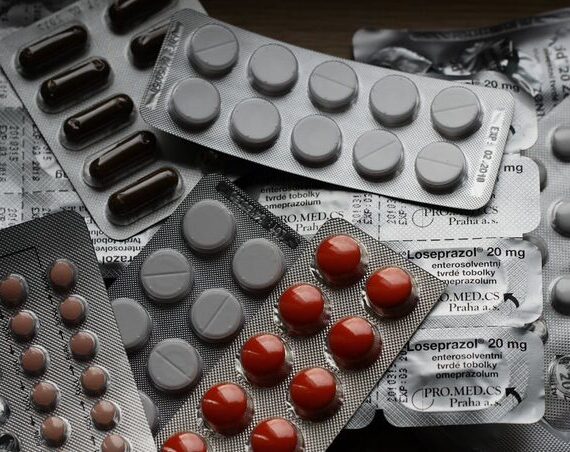
Top Mistakes People Make When Using Over-the-Counter Medications
Over-the-counter (OTC) medications have become an everyday solution for headaches, allergies, colds, and minor pains. They’re easily available and convenient, which often makes people underestimate their potential risks. While such drugs can be safe and effective when used properly, misuse can lead to serious health issues, including drug interactions, overdoses, and worsening of symptoms. Understanding how to use OTC medications responsibly is crucial for maintaining good health. Many individuals assume that if something is sold without a prescription, it’s harmless—but that’s far from the truth. In this article, we’ll explore the top mistakes people make when using over-the-counter medications and how you can by pass them to stay safe and make the most of these everyday remedies.
Ignoring Dosage Instructions

One of the most common mistakes is failing to follow the dosage instructions carefully. Some people assume that taking a higher dose will bring faster or stronger relief, but this misconception can be dangerous. For example, exceeding the recommended dose of acetaminophen can lead to severe liver damage. Even seemingly harmless medications can have toxic effects when misused. Always read the label thoroughly and take only the prescribed amount, even if your symptoms seem unbearable. If your condition doesn’t improve after the suggested duration, consult a healthcare provider instead of self-adjusting your dosage. Remember, the label isn’t just a suggestion—it’s there to protect you.
Mixing Medications Without Checking Ingredients
Many people take multiple OTC medications without realizing they contain the same active ingredients. For instance, cold and flu medicines often include acetaminophen, which is also found in painkillers like Tylenol. Taking both simultaneously increases the risk of overdose. Before combining any medications, read the ingredient list carefully. If you’re unsure whether two products are safe to use together, ask a pharmacist for advice. Combining drugs that serve similar purposes or that interact with each other can cause harmful side effects, from stomach bleeding to elevated blood pressure. Taking a few minutes to check labels can prevent complications that might otherwise require medical attention.
Overlooking Potential Drug Interactions

Many individuals forget that OTC drugs can interact with prescription medications, supplements, or even certain foods. For example, nonsteroidal anti-inflammatory drugs (NSAIDs) like ibuprofen can increase the risk of bleeding when taken with blood thinners. Similarly, decongestants in cold medicine can raise blood pressure, posing risks for those with heart conditions. Always review your current medications before adding a new OTC product. Pharmacists are excellent sources of guidance on potential interactions. Never assume that just because a medication doesn’t require a prescription, it’s universally safe. Your body’s chemistry, existing conditions, and medications all play a role in how OTC drugs affect you.
Using Expired or Improperly Stored Medications
Expired medications lose their effectiveness and, in some cases, become unsafe. Heat, humidity, and light can degrade certain drugs faster, particularly those stored in bathrooms or near kitchen stoves. Always check expiration dates and store medications as directed—usually in a cool, dry place. If a tablet looks discolored, has an unusual odor, or feels sticky, discard it immediately. Don’t try to extend the shelf life by using expired products; doing so could compromise your treatment. Disposing of expired or unused medications through approved collection sites helps prevent misuse and protects the environment.
Treating Serious Conditions With OTC Drugs Alone
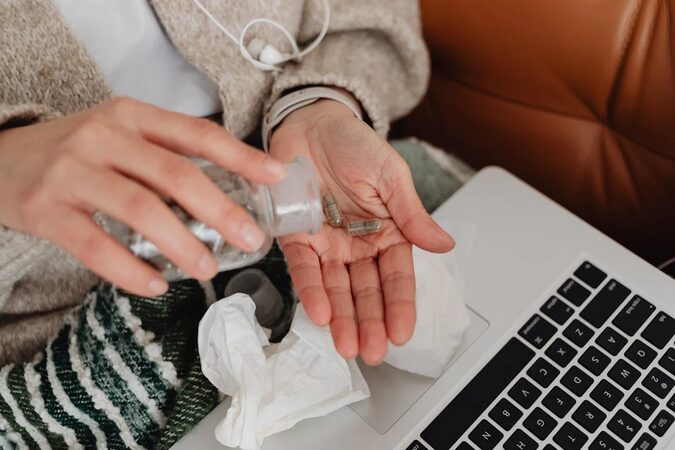
Perhaps the most dangerous mistake is using OTC medications as a substitute for professional care. Some symptoms—like persistent pain, ongoing fever, or repeated digestive discomfort—may indicate underlying conditions that require medical evaluation. Relying solely on OTC remedies can delay diagnosis and lead to complications. For example, repeatedly treating heartburn with antacids could mask signs of a more serious issue like acid reflux or ulcers. If symptoms worsen or persist after taking an OTC drug, it’s time to consult a healthcare professional. Self-medication has its limits, and understanding those limits is key to staying healthy.
Over-the-counter medications offer quick relief and easy access to treatment, but misuse can carry serious consequences. From ignoring dosage guidelines to mixing drugs carelessly, these common mistakes can lead to preventable health problems. The key to using OTC medications safely is education and awareness—always read the label, consult healthcare professionals when in doubt, and treat these medications with the same caution you would with prescription drugs. With thoughtful use, OTC products can remain valuable tools for managing everyday health issues without causing harm.

 Whether they are shopping online or in-store, customers expect a consistent experience. It’s important to ensure that branding elements like logos and graphics remain consistent across all of your channels. This helps customers recognize your brand no matter where they are interacting with it, creating a sense of familiarity and making it easier for them to trust their experience.
 Providing personalized shopping experiences is key to creating seamless omnichannel experiences. By taking advantage of data collected across all channels, companies can personalize their customers’ experiences and provide them with tailored recommendations based on their previous activity. This type of personalization can help build relationships with customers, making them more likely to return.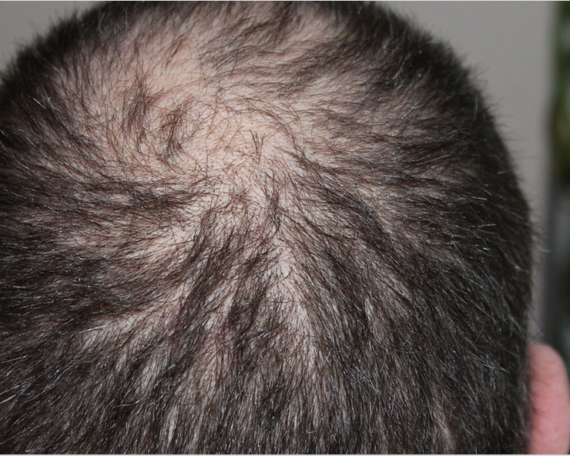
 Unlike over-the-counter pills and treatment, hair restoration addresses the leading cause of hair loss. The procedure stimulates the dormant hair follicles by getting hair from the ‘donor part’ to add to the ‘bald part’ to stimulate the hair’s growth uniformly throughout the scalp. This process is the ultimate solution for any hair loss problem, and it fixes the fault permanently. It allows a steady and noticeable hair growth in days and years to come.
 With hair restoration, you won’t live in fear of chemicals or medication going wrong in the surgery or future. The process is safe and natural. The whole surgery is about stimulating hair growth, which does not involve harmful chemicals or medicine that may damage your hair or scalp.
 Since hair restoration is natural, you do not need to have post medication or particular shampoos, treatment, and conditioners. The hair grows back naturally hassle-free, allowing you to continue living your life and styling your hair freely. The




 In case the lift breaks down, the lift maintenance services company can be count on when needed, night or day. The elevator technicians should always be on call around the clock for emergency lift repairs. Same day service is ideal, but response time within 1-3 hours during normal business hours and 4-6 hours during non-business hours.

 Delivery of goods and services is required to be a meticulous task. Some companies demand that certain procedures be followed when delivering or picking goods. This includes the route taken and the entry and exit paths. Some companies also have large yards, which require knowledge of the area to go to the correct delivery point.